To optimize muscle growth through squats, it’s crucial to strike a balance between sufficient muscle stimulation and adequate recovery. This balance is achieved by carefully determining the set volume, which refers to the total number of sets performed during a workout. A common mistake is to either under-stimulate the muscles by doing too few sets or to overtax them by doing too many, leading to diminished returns or even injury. Pistol squats, on the other hand, are an advanced variation that challenges balance and stability. By requiring you to lower your body on one leg while keeping the other extended in front of you, pistol squats not only work your leg muscles but also engage your core for stabilization. This exercise strengthens your joints and bones, which helps improve balance and mobility.
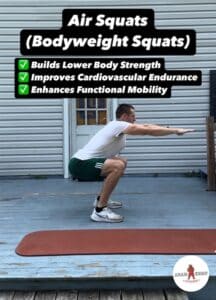
Aim to challenge your body unimeal scam without causing compromised form, excessive muscle fatigue, or overtraining injuries. By making squats part of your training, you may not only strengthen your body but also support a healthier mindset, leading to improved resilience both inside and outside the gym. Whether your goal is to prevent back pain or present a more confident stance, squats are a practical solution. Maintaining proper form ensures you get the full benefit while supporting long-term spinal health.
Bodyweight Squats
The squat is an effective exercise for strengthening the leg and back muscles. The exercise requires practice to learn proper form that will reduce the risk of injury. While primarily known for strengthening the legs, squats also engage the core muscles. Keeping your balance while lowering and rising requires significant core activation, leading to improved stability and better posture.
Pistol Squat Benefits
To get the most out of lunges and boost your metabolism, focus on performing the exercise with proper form and engaging the core muscles. This will help you build strength and endurance in the lower body, leading to enhanced energy levels and a more efficient metabolism. Regular squatting also enhances bone mineral density, a critical factor for preventing osteoporosis, particularly as we age. The NIH highlights that weight-bearing exercises, such as squats, are crucial for maintaining and improving bone mineral density throughout life, reducing the risk of osteoporosis.
Long-Term Injury Prevention
Poor circulation can be the result of various issues, with poor cardiovascular health being one of the leading causes. Now, squats are not as good a cardio exercise as something like running or biking, but if you do many reps you will definitely get your heart pumping. Once confident with an unweighted squat, you can do a squat holding dumbbells at your sides or a single dumbbell or kettlebell between your legs. Position the squat rack so the bar sits on your upper back (trapezius muscles).
Squat Variations: Explore different squat types like front, back, and sumo to target various muscle groups effectively
And while the move is ideal for athletes, it’s also great for those who exercise regularly, too. That’s because jump squats are a great level up from basic squats—and they can help build power and muscle endurance, she said. Using a sturdy chair to assist with standing up and sitting down, or holding onto a stable surface like a counter, can provide balance and reduce the load on the hips. TRX straps or similar suspension trainers can also be used to offload body weight, making the squat less challenging while still building strength. These aids allow for a gradual progression as strength and confidence improve. To achieve comprehensive muscle development and functional strength, it is essential to complement squats with other exercises.
By incorporating safe squatting techniques and exploring different variations, you can unlock a plethora of advantages for your overall well-being. Jump squats are excellent for improving explosive power, making them a popular choice among athletes and fitness enthusiasts. This dynamic variation involves jumping explosively into the air from the squat position, engaging fast-twitch muscle fibers for quick and powerful movements. Squatting for digestion facilitates smoother bowel movements by aligning the colon in a straighter position, making it easier to eliminate waste. This natural posture helps prevent constipation by allowing the puborectalis muscle to relax fully, promoting more efficient and complete emptying of the bowels. By adopting a squatting position during bowel movements, individuals can experience improved digestion efficiency as it reduces the risk of straining and hemorrhoids.
- As an athlete, it is vital to increase the absolute strength you possess constantly.
- Not only will this keep your workouts interesting, but you’ll also be challenged with each new move.
- Starting with a load that’s too heavy can lead to poor form and ineffective training.
- These exercises are included to improve the overall technical mastery of the squat while placing specific emphasis on anterior or posterior muscle groups.
- And because squats can be done weighted or with just your own body weight, they’re ideal for anyone trying to get healthier, regardless of fitness level.
- Researchers found that this type of compound exercise requires an “elevated oxygen use and hormonal response”, therefore it results in “high-calorie-expenditure”.
Because squats work some of the largest muscles in the body, they are super effective at stimulating hormone production. Muscle tone is the amount of tension in your muscles that helps hold your body upright when you’re sitting and standing. More than that, changes in muscle tone actually enable your body to move into and through a variety of natural positions. In this article, we’ll highlight the different ways squats can help improve your fitness, strength, and overall health. This is an advanced type of squat that should be done by those with experience.
Balances hormones
Yet another benefit that definitely needs to be discussed when it comes to squats is that they can really help out your joints. If you have joint and bone problems, or if your joints are getting weaker due to old age, you need to do exercises that are low impact in nature. Low impact exercises are any kind of exercise which does not involve your feet leaving the ground and landing on them with force. Partial squats can exercise your muscles differently, so some choose to do the full squat some days and half squats or parallel squats on other days. Since comfort is important in doing these exercises, you might consider wearing a good pair of seamless leggings. With parallel and half squats, you only go low enough so that your thighs are parallel to the ground or even higher, with knee joints at about 90 degrees or a bit more.
While modifications can make squats beneficial for many, there are specific situations where avoiding squats altogether is the safest course of action. Ignoring these red flags can lead to increased pain, inflammation, or further joint damage. Mayo Clinic experts emphasize personalized exercise plans for arthritis patients. Squats can be beneficial for hip arthritis when performed correctly and with appropriate modifications, but caution and professional guidance are essential.
Squats target some of the largest muscle groups, including your thighs, hips and glutes. Squats are one of the most effective exercises for developing lower body strength and stimulating muscle growth. They work major muscle groups such as the quadriceps, hamstrings, glutes, and calves, all of which are essential for building a strong and balanced physique. A strong core also lowers the risk of injury during other workouts or sports by providing essential stability and control.
Stabilizer Muscles
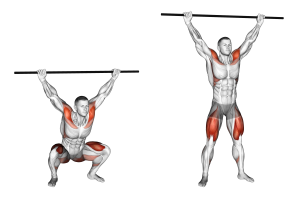
By strengthening your muscles and joints, squats improve functional fitness, making daily tasks like walking, climbing stairs, or lifting objects easier. From a functional perspective, mastering the squat improves daily activities and athletic performance. It teaches the body to move efficiently under load, whether that load is your own body weight or external resistance.
Muscle Endurance for Longer Workouts
“Better core strength helps improve posture, reduce the risk of back pain, and increase overall fitness,” explains fitness expert Jashan Bhumkar. When performing lunges, it’s essential to maintain proper form to engage the core muscles and ensure that the exercise is effective. This includes keeping the upper body upright, with the torso upright and the shoulders back, and avoiding any leaning or swaying. Athletes and bodybuilders often use squats as a strength training exercise to improve lower body strength. This can be achieved by using your own bodyweight or adding some extra resistance to your workout with a pair of the best adjustable dumbbells or a barbell and weight plates. Squats mimic natural movements like bending and lifting, making them essential for everyday activities.
Hack squats
Over time, this may reduce back pain and lower your chances of injury. This is owing to the anabolic effect that this exercise has on your body. When you perform squats in the correct manner, your body releases human growth hormone and testosterone.
Is squatting only beneficial for building leg muscles?
This means avoiding both excessive arching (hyper-extension) and rounding (flexion) of the lumbar spine. The core muscles, including the transverse abdominis and obliques, play a critical role in stabilizing the torso and pelvis. Heavy squats (3-6 reps) build maximal strength, while moderate-rep leg presses (8-12 reps) focus on hypertrophy.