We all have two different types of fat, where one is body fat, and the other is fat-free mass or lean body mass. Although the ultimate goal should always be to feel fitter and better each day, things change when you start feeling like the more weight you lose, the fatter you feel. Water retention is often the result of an increased sodium intake. Sodium is essential for your body, but only up to a certain amount.

There also are exercises that are particularly effective for helping you achieve an hourglass figure, regardless of what body type you have. The recommended weight loss pace is 1-2 pounds (0.45-1 kg) a week. 1 pound of fat equals 3,500 calories, so for your caloric deficit to be healthy, you must reduce your daily caloric consumption by 500 calories (2). You can use this calories burned calculator to calculate how many calories you require daily and then subtract 500 from the result. Stress can significantly slow your progress, both physically and mentally. Chronic stress raises cortisol, a hormone linked to increased belly fat, water retention, and muscle breakdown.
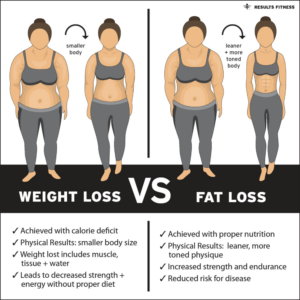
It isn’t weight loss, it’s fat loss
While cardio exercises are great for burning calories, adding resistance training to your workouts can have a significant impact on your body composition. Now, you might be wondering how you can speed up this change. While this may not register as a loss of pounds on the scale, you will notice a difference in how your clothes fit.If you’re unsure about how to begin strength training, don’t worry.
The 5 Stages of Fasting (And The Benefits of Each One)
Although Kelly did not specify which comments she was referring to, her shrunken appearance has garnered unimeal reviews consumer reports attention on social media for months. “None of it proves strength; it only reveals a profound absence of compassion and character. But I won’t sit here and allow myself to be dehumanized in such a way!
- Paradoxically, fasting begins to get easier as you fast for a longer time.
- The constant bombardment of images showcasing toned and slim physiques can create unrealistic expectations, making it difficult for individuals to appreciate their progress and changes.
- This psychological aspect can create a feedback loop where the individual feels dissatisfied, regardless of actual physical changes.
- Now that you understand the different stages of fasting, you can choose the length of fast that best meets your health goals.
- Roughly 40% of that is still water retention, with the remaining 60% being actual new muscle tissue.
- Unfortunately, some people will seek out treatment, but it might not be the right kind of treatment.
Your body composition is the ratio of fat mass to lean mass in your body. Sometimes, body composition is used interchangeably with body fat percentage, but body fat percentage is just one part of your overall body composition. You can’t easily manage the speed of your basal metabolic rate, but you can affect how many calories you burn through physical activity. In fact, some people who seem to have a fast metabolism are probably just more active — and maybe fidget more — than others. Finally, managing stress through practices such as mindfulness, yoga, or meditation can help regulate hormones and prevent emotional eating. Creating a supportive environment that encourages healthy habits can significantly impact the success of a weight loss journey.
What role does nutrition play in weight loss and body composition changes?
To understand how we generate revenue, please read our advertising disclaimer. While the views expressed are those of the writer, they are grounded in their academic background and scientific research. A team of qualified medical experts fact-checks the content, ensuring its accuracy. The information is further supported by reputable sources linked within the article.
Top Posts
Moreover, hormonal imbalances can affect metabolism and appetite regulation. Conditions such as polycystic ovary syndrome (PCOS) can lead to weight gain and difficulty losing weight, particularly in the abdominal area. Recognizing the role of hormones in weight management can empower individuals to seek appropriate medical advice and support. To truly transform your relationship with your body and boost your self-esteem, it’s time to seek professional guidance and support. A trained expert can provide personalized advice, create a tailored plan, and offer ongoing support to ensure that you achieve your goals in a healthy and sustainable way.
#2 Your Increased Carbohydrates Are Causing Water Retention
This paradox often leads people to question their weight loss strategy despite measurable progress. The simple explanation is that the scale measures total mass, but the mirror reflects body composition—the ratio of fat to lean tissue like muscle and water. Understanding the reasons behind this discrepancy can validate your efforts and help you adjust your approach. It’s important to remember that weight loss is a gradual process that requires patience. This will help you stay motivated and show you your real results. Don’t give up just because you don’t see any changes in the mirror after a couple of weeks of dieting.
What Does Ozempic Do to Your Face? Changes and Management Guide
Weight refers to the total amount of pounds your body weighs, which includes everything from muscle and fat to bones and organs. When you start to exercise consistently, you will lose weight as your body burns fat and calories (1). However, as you continue to exercise and build muscle, the scale may not reflect a downward number as muscle weighs more than fat. Some individuals find that eating extra calories a few days a week can help with weight loss and muscle gain, whereas others find a consistent caloric intake is beneficial. To truly measure fat loss, track waist and hip measurements, how your clothes fit, and progress photos over time. Strength levels are another powerful indicator—if you’re lifting more, it means you’re holding onto or building muscle while losing fat.
Ingredients
One of the main reasons you feel fatter after losing weight is due to water retention. So, in effect, you are losing weight, but simply retaining water, which may cause swelling. With that being said, it can also be the case that you have lost water weight, but are yet to actually lose any fat. Furthermore, excessive dieting and excessive cardio can lead to you losing muscle mass. When we hear the term transformation, we often picture dramatic weight loss. But the concept of transformation is not solely about shedding pounds.
When Symptoms Don’t Add Up: How Hidden Genetic Conditions Go Undetected for Years
If weight loss is achieved through severe calorie restriction without adequate protein intake or resistance training, the body may metabolize lean muscle mass along with fat. Losing muscle slows the resting metabolic rate and creates a “skinny fat” appearance—a lower total weight but a higher body fat percentage. This results in a softer, less toned physique because the remaining fat is less supported by underlying muscle structure. Measuring body fat percentage provides a clearer, more functional picture of the body’s internal changes than traditional scale weight.
What Happens to Body Fat
Ketosis can cause side effects such as bad breath, headache, tiredness, weakness and flu-like symptoms. ‘They’ve lost the weight, but they’re not feeling how you want to feel,’ she explains. He warns that Australia is on the brink of ‘trading fat for frailty’ and is calling on the government for urgent policy change around the soaring use of ‘miracle’ weight-loss drugs. There is a specific kind of frustration that happens during weight loss.